QR Code Marketing for Small Businesses: Creative Uses
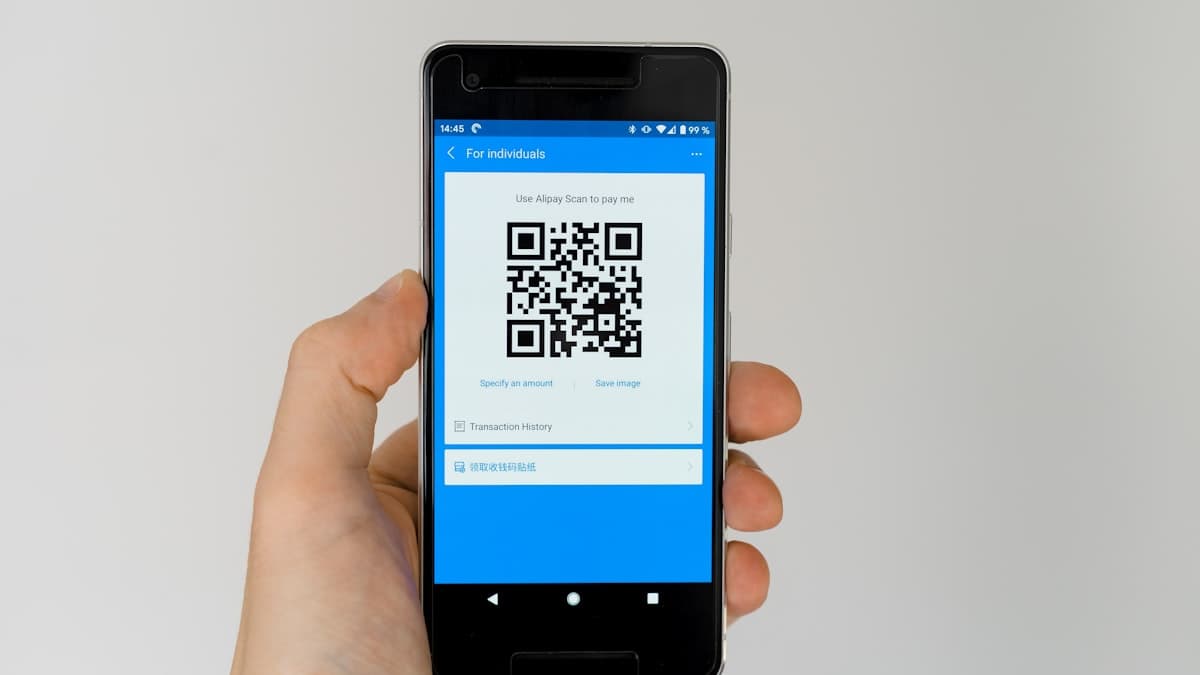
Most people associate QR codes with pulling up a restaurant menu on their phone. While that particular use case exploded during the pandemic era, it barely scratches the surface of what QR codes can do for your business. These simple black-and-white squares are one of the most versatile, affordable, and trackable marketing tools available to small businesses today. They bridge the gap between your physical presence and your digital world, turning every printed surface, product package, and in-store display into a gateway to deeper customer engagement. And the best part? They cost almost nothing to create and deploy.
Why QR Codes Deserve a Place in Your Marketing Strategy
QR codes experienced a massive resurgence starting in 2020, and consumer adoption has only grown since. By 2026, over 85% of smartphone users in the United States have scanned a QR code at least once, and more than half scan them regularly. The technology is no longer unfamiliar or intimidating to consumers, which removes the biggest historical barrier to QR code marketing effectiveness.
What makes QR codes particularly valuable for small businesses is their combination of low cost, high versatility, and built-in trackability.
Zero marginal cost. Once you generate a QR code (which you can do for free with our QR code generator), there is no per-scan cost. Whether 10 or 10,000 people scan your code, the cost remains the same.
Instant digital connection. QR codes transform any physical surface into a digital touchpoint. A sticker on your packaging, a sign in your window, or a line on your business card can instantly transport a customer to a specific webpage, video, form, or offer.
Measurable results. Dynamic QR codes (which redirect through a tracking URL) provide detailed analytics including scan count, time of scan, location, and device type. This makes offline marketing measurable in a way that was previously impossible.
Flexibility after printing. Dynamic QR codes allow you to change the destination URL without reprinting the code. This means you can update where a QR code sends people even after it is printed on thousands of flyers, stickers, or product labels.
Universal compatibility. Every modern smartphone can scan QR codes natively through the built-in camera app. No special app is needed, which eliminates friction for the customer.
Choosing the Right Type of QR Code
Before deploying QR codes across your marketing, it is important to understand the difference between static and dynamic QR codes, as this choice affects your tracking capabilities and long-term flexibility.
Static QR codes. The destination URL is encoded directly into the QR code pattern. Once generated, the destination cannot be changed. Static codes do not provide scan analytics. They are best for permanent, unchanging destinations like your website homepage or your Google Business Profile.
Dynamic QR codes. The QR code points to a short redirect URL that you control. You can change the destination at any time without regenerating the code. Dynamic codes provide detailed scan analytics. They are the better choice for any marketing application where you want to track performance or might need to update the destination.
Branded QR codes. Modern QR code generators allow you to customize the appearance of your codes with your brand colors, logo, and custom shapes. Branded codes look more professional and increase scan rates by 30% to 50% compared to standard black-and-white codes because they appear intentional and trustworthy.
Format considerations. Generate your QR codes in SVG or PNG format at the highest resolution available. QR codes that are too small, poorly printed, or low resolution may not scan reliably, which frustrates customers and wastes the opportunity.
For most marketing applications, dynamic branded QR codes are the recommended choice. The tracking data alone justifies the minimal additional effort.
Creative QR Code Uses for Product-Based Businesses
If you sell physical products, QR codes on or with your products create opportunities for engagement that extend far beyond the initial purchase.
Product packaging. Print a QR code on your product packaging that links to usage instructions, recipe ideas, care guides, or setup tutorials. A candle company might link to tips for optimal burn time. A food brand might link to recipes featuring their product. This adds value and encourages repeat purchases.
Warranty and registration. Replace paper warranty cards with a QR code that links to an online registration form. This is more convenient for the customer and gives you their contact information for future marketing.
Customer feedback collection. Include a QR code that links directly to a short survey or review platform. Asking for feedback at the moment of product use (rather than days later via email) captures more responses and more detailed insights.
Reorder links. For consumable products, include a QR code that takes the customer directly to the product page on your website for easy reordering. Reducing the steps between "I need more of this" and "purchased" dramatically increases repeat order rates.
Authenticity verification. For premium or frequently counterfeited products, a QR code that links to a verification page protects your brand and builds customer confidence.
Cross-selling opportunities. Link to a curated page featuring complementary products. A company selling coffee beans might link to a page featuring their grinders, mugs, and brewing accessories.
Loyalty program enrollment. A QR code on the packaging that takes customers to your loyalty program signup makes enrollment effortless and increases participation rates.
Creative QR Code Uses for Service-Based Businesses
Service businesses can leverage QR codes just as effectively as product companies, often in ways that streamline operations while simultaneously marketing the business.
Business cards. Replace the cluttered information on your business card with a clean design featuring a QR code that links to your digital business card (vCard) or a landing page with your full contact details, portfolio, and booking link. One scan saves all your contact information to the customer's phone.
Appointment booking. Place QR codes in your physical location, on mailers, and on promotional materials that link directly to your online booking system. Removing the "call to schedule" step significantly increases booking conversion rates.
Portfolio and case studies. A contractor can place a QR code on their truck or yard sign that links to before-and-after photos of completed projects. A photographer can include a QR code on their business card linking to their portfolio. Physical QR codes give you unlimited space to showcase your work.
Client onboarding. Create QR codes that link to onboarding documents, welcome packets, or getting-started guides. This streamlines your client intake process and creates a professional first impression.
Estimate requests. Use QR codes on your vehicle wrap, signage, or door hangers that link to an estimate request form. This captures leads at the moment of interest rather than hoping the customer remembers to call later.
Testimonial collection. Place a QR code at your checkout counter or include one in your follow-up communications that links directly to your Google Business Profile review page. Making the review process effortless increases the volume of reviews you receive.
QR Codes for In-Store and Physical Location Marketing
If you have a physical location, QR codes can enhance the customer experience while capturing valuable data and encouraging specific behaviors.
Window displays. QR codes on window displays allow after-hours passersby to access your website, browse products, or schedule a visit. Your storefront works for you even when you are closed.
Product information. Place QR codes next to featured products that link to detailed descriptions, demonstration videos, comparison guides, or customer reviews. This gives customers the information they need to make a purchase decision without requiring staff assistance.
Wi-Fi access. Create a QR code that automatically connects customers to your guest Wi-Fi network. This is more convenient than posting a password and can be paired with a landing page that captures email addresses.
Event promotion. Use QR codes on in-store signage to promote upcoming events, workshops, or sales. Link to an event registration page or calendar entry that customers can add to their phone.
Feedback stations. Place QR codes at the exit that link to a brief customer satisfaction survey. Capturing feedback at the moment of departure provides more accurate and actionable insights.
Staff tips and bios. In hospitality settings, QR codes at tables or service stations can link to staff bios or direct tipping pages. This personal touch enhances the customer experience and supports your team.
Interactive displays. Create scavenger hunts, quizzes, or interactive experiences using multiple QR codes throughout your space. This gamification approach increases engagement and dwell time.
QR Codes in Print Advertising and Direct Mail
Print advertising and direct mail remain effective marketing channels for many small businesses, and QR codes make these traditionally unmeasurable channels trackable and interactive.
Flyers and brochures. Every printed piece should include a QR code linking to a relevant digital destination. A flyer advertising a sale should link to the sale page. A brochure describing your services should link to a detailed portfolio or booking page.
Direct mail campaigns. Include a QR code on postcards and mailers that links to a personalized landing page or exclusive offer. Use unique QR codes (or at least unique tracking parameters) for different mail segments to measure response rates by audience.
Magazine and newspaper ads. If you advertise in local publications, a QR code transforms a static ad into an interactive experience. Link to a video, a detailed product page, or a special offer that is not available through other channels.
Billboards and outdoor advertising. QR codes on billboards and outdoor signage allow passersby to engage with your message instantly. Keep the code large enough to scan from a reasonable distance and ensure the destination loads quickly on mobile devices.
Event programs and sponsorships. If you sponsor local events, include a QR code in the event program or on your sponsor signage. Link to a special offer, product page, or lead capture form designed specifically for event attendees.
Using unique QR codes or tracking parameters for each print piece allows you to measure exactly which materials drive the most engagement, something that was nearly impossible with traditional print marketing. This data-driven approach integrates well into a comprehensive digital marketing strategy.
QR Codes for Events, Trade Shows, and Pop-Ups
Events provide concentrated opportunities for face-to-face marketing, and QR codes amplify the impact of every interaction.
Trade show booth. Display a large QR code at your booth that links to a lead capture form, digital brochure, or special show-only offer. This captures contact information more efficiently than collecting business cards and eliminates the post-event data entry that business cards require.
Presentations and demonstrations. Include a QR code on your presentation slides that links to additional resources, the slide deck itself, or a follow-up booking page. Attendees can access materials on their phones in real time.
Pop-up shops. Use QR codes to extend the pop-up experience digitally. Link to your full product catalog (since pop-ups can only display limited inventory), an online store for items that sell out, or a mailing list signup for future pop-up locations.
Networking events. Instead of carrying a stack of business cards, wear a QR code badge that links to your digital contact card or LinkedIn profile. This modern approach stands out and ensures your information is saved rather than lost in a stack of paper cards.
Workshop handouts. If you host workshops or classes, include QR codes on handouts that link to supplementary materials, video recordings, or registration pages for future sessions.
Contests and giveaways. Use QR codes as the entry mechanism for event contests. A quick scan and form submission is faster than paper entry forms and gives you digital contact information for follow-up marketing.
QR Codes on Vehicles, Signage, and Wearables
Moving QR codes (on vehicles and people) extend your marketing reach beyond fixed locations, creating opportunities for engagement wherever you go.
Vehicle wraps and magnets. A QR code on your company vehicle turns every parking lot and traffic stop into a potential marketing interaction. Link to your service page, portfolio, or a special offer. Make the code large enough to scan from several feet away and position it where it is easily accessible (not on the roof).
Yard signs. Contractors, real estate agents, and service providers can add QR codes to yard signs at job sites. Neighbors and passersby can instantly access your portfolio, request a quote, or learn more about the service being performed.
Wearable QR codes. Print QR codes on staff uniforms, name badges, or event t-shirts. At events, conferences, or in customer-facing roles, this makes your team walking marketing assets.
Delivery packaging. If you deliver products, include a QR code on the exterior packaging that links to your website. The delivery driver, the recipient's neighbors, and anyone who handles the package becomes a potential new customer.
Shopping bags. Print QR codes on your retail shopping bags. Every customer who carries your bag through a mall, down a street, or into an office exposes your QR code to new potential customers.
Designing QR Codes That People Actually Scan
Creating a QR code is the easy part. Getting people to scan it requires thoughtful design and clear communication about what they will receive. The scan rate of a QR code varies enormously based on presentation, and small adjustments can double or triple your results.
Include a clear call to action. Never display a QR code without text explaining what happens when someone scans it. "Scan for 15% off your first order" is infinitely more effective than a bare QR code with no context. The call to action should communicate a specific benefit.
Provide a reason to scan. People scan QR codes when they expect to receive something valuable: a discount, useful information, exclusive access, or entertainment. Make the value proposition explicit and compelling.
Size appropriately. A QR code should be at least 1 inch by 1 inch (2.5 cm) for close-range scanning and significantly larger for distances beyond arm's length. A QR code on a poster across a room needs to be at least 6 to 8 inches wide.
Ensure contrast. QR codes must have strong contrast between the dark modules and the light background to scan reliably. Dark on light (black on white) is most reliable. Avoid low-contrast color combinations or placing QR codes on busy backgrounds.
Test before printing. Always test your QR code on multiple devices before committing to a print run. Test in different lighting conditions and at the distances you expect people to scan from.
Position strategically. Place QR codes where they are physically easy to scan. Eye level is ideal. Codes placed too high, too low, or behind glass may be difficult to scan.
Tracking and Measuring QR Code Performance
One of the greatest advantages of QR codes over traditional offline marketing is measurability. With proper setup, every QR code scan becomes a data point that informs your marketing decisions.
Essential metrics to track. Monitor total scans, unique scans (individual users), scan times (which hours and days see the most activity), geographic location of scans, device types, and the conversion rate of scanners (what percentage complete the desired action on the destination page).
Use UTM parameters. Append UTM parameters to your QR code destination URLs so that scans appear as a distinct traffic source in Google Analytics. Use unique UTM parameters for each QR code placement to compare performance across different physical locations or marketing materials.
A/B testing. Create two versions of a QR code promotion with different calls to action, incentives, or destination pages. Distribute them in comparable locations and measure which version drives more scans and conversions.
Set benchmarks. QR code scan rates vary widely by context. In-store QR codes typically see scan rates of 5% to 15% of foot traffic. Direct mail QR codes average 1% to 5% scan rates. Product packaging QR codes can achieve 10% to 30% scan rates. Use these benchmarks to evaluate your results.
Review and optimize. Conduct monthly reviews of your QR code analytics. Identify your highest-performing codes and analyze what makes them successful. Apply those insights to underperforming codes.
Integrating QR code tracking with your broader analytics setup creates a unified view of your marketing performance across online and offline channels. This approach connects naturally with a solid content marketing plan that coordinates messaging across all touchpoints.
QR Code Security and Best Practices
As QR codes become more prevalent, so do potential security concerns. Following best practices protects both your business and your customers.
Use reputable QR code generators. Generate your codes through established, trusted platforms. Disreputable generators may inject tracking or redirect codes into your QR codes.
Monitor your codes regularly. If using dynamic QR codes, periodically scan them yourself to verify they redirect to the correct destination. This catches any issues (expired URLs, broken pages, unauthorized changes) before customers encounter them.
Secure your landing pages. Ensure all QR code destination pages use HTTPS. Modern browsers flag non-secure pages with warnings, which erodes trust and reduces conversions.
Be transparent about data collection. If your QR code leads to a form that collects personal information, clearly state how that information will be used. Compliance with privacy regulations (GDPR, CCPA) applies to data collected through QR codes just as it does to any other digital touchpoint.
Avoid URL shorteners you do not control. Some free URL shorteners may shut down, change their policies, or inject ads. Use QR code platforms with built-in redirect capabilities or your own domain for redirect URLs.
Educate your customers. If your QR code leads to an unfamiliar experience (like an augmented reality feature or an app download), include brief text explaining what to expect. Surprising customers with unexpected content reduces trust.
Building a QR Code Marketing System for Your Business
Deploying QR codes sporadically across random marketing materials produces random results. Building a systematic approach ensures consistency, trackability, and continuous improvement.
Audit your touchpoints. List every physical touchpoint where a customer interacts with your brand: packaging, signage, business cards, vehicles, uniforms, receipts, invoices, shopping bags, and promotional materials. Each of these is a potential QR code placement.
Prioritize by impact. Rank your touchpoints by the volume of customer interactions and the relevance of digital engagement at that moment. High-volume, high-relevance touchpoints (like product packaging and in-store signage) should receive QR codes first.
Create a QR code inventory. Maintain a spreadsheet tracking every QR code you deploy, including its physical location, destination URL, UTM parameters, date deployed, and performance metrics. This inventory prevents orphaned codes and ensures all codes remain functional.
Standardize your design. Create QR code design templates that incorporate your brand colors, logo, and standard call-to-action formats. Consistent design across all touchpoints reinforces brand recognition.
Plan for seasonal updates. If you use dynamic QR codes, schedule quarterly or seasonal updates to refresh destination content. A QR code on your packaging might link to summer grilling recipes in June and holiday gift guides in December.
Train your team. Ensure all staff understand your QR code strategy, can explain what each code does, and can help customers who have difficulty scanning. Staff buy-in amplifies the effectiveness of your QR code deployment.
QR codes are one of those rare marketing tools that are simultaneously simple, affordable, versatile, and measurable. The businesses getting the most value from them are the ones that think beyond the restaurant menu and systematically integrate QR codes into every customer touchpoint. Start with your highest-impact placement, track the results, learn what resonates with your specific audience, and expand from there. Every surface is a potential marketing opportunity, and a QR code is all it takes to activate it.