Do Small Businesses Still Need a Website in 2026?
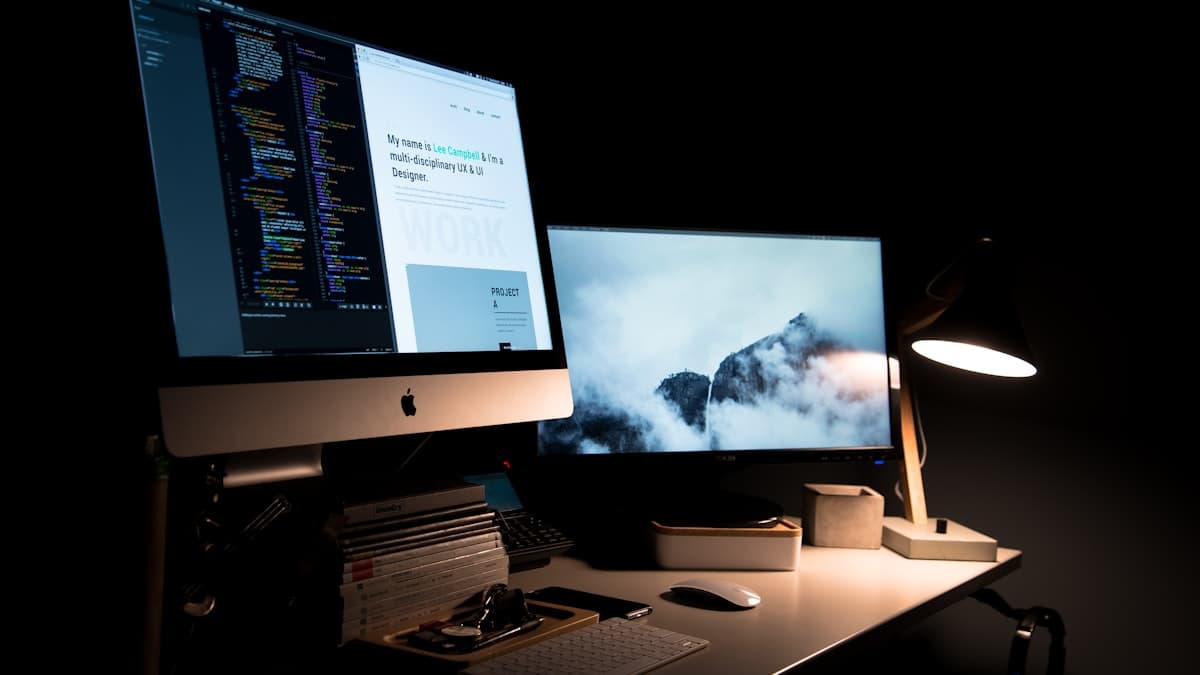
Yes, small businesses absolutely still need a website in 2026. Despite the rise of social media platforms, Google Business Profile, and AI-powered search, a website remains the single most important digital asset a business can own. It is the only online property you fully control, and it serves as the foundation for every other marketing channel you use. Businesses with websites generate 2x more revenue on average than those without one, and 81% of consumers research a business online before making a purchase.
Social Media Is Not a Replacement for a Website
One of the most common arguments against having a website is that social media can do the job instead. While platforms like Instagram, Facebook, and TikTok are valuable marketing tools, they are not substitutes for a professional website. Here is why.
You do not own your social media presence. The platform does. Algorithm changes can slash your visibility overnight. Account suspensions happen without warning. And if a platform shuts down or falls out of favor (remember Vine, Google Plus, and the early days of Twitter), your entire online presence goes with it.
Social media platforms also limit what you can do. You cannot fully customize the experience, control the customer journey, or optimize for specific business goals. A website lets you design landing pages for specific services, capture email addresses, process transactions, and present your brand exactly the way you want.
Consider this scenario. A potential customer finds your business on Instagram. They see some nice photos, but they want to know your pricing, read customer reviews, and understand your full range of services. Where do they go? Your website. If you do not have one, they move on to a competitor who does.
Google Business Profile Is Essential, but Limited
Google Business Profile (GBP) is a powerful tool, especially for local businesses. It puts your business on Google Maps, displays your hours and contact information, and showcases customer reviews. Every local business should have one, and our guide explains why Google Business Profile matters.
However, GBP has significant limitations. You cannot tell your full brand story. You cannot create detailed service pages. You cannot publish in-depth content that answers customer questions. You cannot integrate booking systems, e-commerce functionality, or custom lead capture forms. And you cannot track visitor behavior in the same granular way you can with website analytics.
GBP also relies entirely on Google. If Google changes its policies, reduces the visibility of business profiles, or adjusts how local results appear, you have no backup plan. Your website, on the other hand, can attract visitors from organic search, direct traffic, email marketing, social media referrals, and paid advertising simultaneously.
AI Search Changes the Game, but Not the Way You Think
AI-powered search tools like Google AI Overviews, ChatGPT search, and Perplexity are changing how people find information. Some business owners worry that AI will make websites irrelevant by answering questions directly without sending users to source websites.
The reality is more nuanced. AI search tools need source material to generate their answers, and that source material comes from websites. Businesses that publish helpful, authoritative content on their websites are the ones AI tools reference and link to. If you do not have a website with quality content, you are invisible to AI search entirely.
Furthermore, AI search has not eliminated the need for people to visit business websites. When someone asks an AI tool to recommend a plumber in their area, the AI might provide a summary, but the customer still wants to visit the plumber's website to check credentials, read reviews, see photos of past work, and request a quote. The website is where the conversion happens.
The Data Makes the Case Clear
The numbers consistently favor businesses with websites. Research from multiple sources paints a compelling picture.
Roughly 71% of small businesses now have a website, up from 50% a decade ago. The businesses that invest in their web presence consistently outperform those that do not. Companies with blogs generate 67% more leads per month than those without. And mobile searches for "near me" businesses result in a website visit more than 50% of the time.
On the flip side, 70% of consumers say a poor website experience makes them less likely to do business with a company. Having no website at all sends an even stronger negative signal. In 2026, consumers expect legitimate businesses to have a professional online presence. When they cannot find your website, many assume your business is either closed, not credible, or too small to handle their needs.
Your Website Is Your 24/7 Salesperson
Unlike a physical storefront that closes at night or a social media post that disappears from feeds within hours, your website works around the clock. It answers questions at 2 AM. It captures leads on weekends. It processes orders while you sleep.
For service-based businesses, a website serves as a tireless salesperson who never takes a day off. A well-built website with clear service descriptions, pricing information, and strong calls to action can generate qualified leads every single day. If you are planning your first site, our complete guide to building a small business website walks you through the entire process.
For product-based businesses, an e-commerce website opens your market from local foot traffic to a global customer base. Even if you sell primarily through marketplaces like Amazon or Etsy, having your own website gives you a direct sales channel with higher profit margins and more control over the customer experience.
The Cost of Not Having a Website
Many small business owners hesitate because of cost. Building and maintaining a website requires an investment of money and time. But the cost of not having a website is far greater.
Without a website, you are losing potential customers every day. People who search for your type of business and cannot find your website choose a competitor instead. You miss out on organic search traffic, which is one of the highest-converting marketing channels available. You cannot build an email list, which remains the most effective way to nurture customer relationships and drive repeat business.
There is also the credibility gap. A 2025 survey found that 84% of consumers believe a business with a professional website is more credible than one that only has a social media presence. In industries where trust matters (healthcare, legal, financial services, home services), not having a website is a dealbreaker for many potential customers.
The good news is that building a website in 2026 is more affordable than ever. Modern website builders and content management systems have reduced the cost and complexity dramatically. A professional small business website can cost anywhere from a few hundred dollars for a DIY build to a few thousand for a professionally designed site. Compared to the revenue a website generates, the return on investment is substantial.
What a Modern Small Business Website Needs
A website in 2026 does not need to be complex to be effective. At minimum, your small business website should include a clear homepage with your value proposition, a services or products page, an about page that builds trust, a contact page with multiple ways to reach you, and customer testimonials or reviews.
Beyond the basics, your website should be mobile-responsive (over 60% of web traffic comes from mobile devices), load quickly (slow websites cost businesses millions in lost revenue), and be optimized for search engines so potential customers can find you.
If you are just getting started, focus on the essentials. You can always add more features, content, and functionality as your business grows. The important thing is to establish your online presence now rather than waiting for the "perfect" time.
Your Website Works With Every Other Channel
One of the most powerful aspects of having a website is how it amplifies every other marketing effort. Running Facebook ads? They perform better when they direct traffic to optimized landing pages on your website. Building an email list? You need a website to host signup forms and deliver lead magnets. Getting referrals? A professional website gives referral sources confidence that they are recommending a legitimate business.
Even your offline marketing benefits from having a website. Business cards, brochures, vehicle wraps, and trade show materials all become more effective when they point to a professional website where prospects can learn more.
Your website is the hub that connects all your marketing spokes. Without it, every other marketing investment performs worse.
Common Objections (And Why They Do Not Hold Up)
Some business owners have specific reasons for avoiding a website. Let us address the most common ones.
"I get all my business from referrals." That is great, but what happens when a referred prospect looks you up online before calling? If they cannot find a website, some will question the referral. A website validates your referral pipeline and can expand it.
"My customers are not online." In 2026, this is almost never true. Even among older demographics, internet usage is above 90%. Your customers may not be on TikTok, but they are using Google to search for businesses, read reviews, and compare options.
"I tried a website before and it did not work." A website that was built without strategy, never updated, and never promoted will not produce results. That is not evidence that websites do not work. It is evidence that neglected marketing assets underperform. A well-planned, properly maintained website is a different experience entirely.
"I cannot afford it." Modern website builders cost as little as $10 to $20 per month. That is less than a single meal out. The question is not whether you can afford a website. It is whether you can afford to miss the customers who are searching for businesses like yours right now.
Getting Started Is Easier Than You Think
If you do not have a website yet, the best time to build one is now. You do not need to hire an expensive agency or learn to code. Modern website platforms make it possible for anyone to create a professional business website in a weekend.
Start by planning your website strategically. Define your goals, identify your target audience, and outline the pages you need. Then choose a platform that fits your technical comfort level and budget. Within days, you can have a professional website that starts working for your business immediately.
If you already have a website but it has not been updated in years, now is the time to refresh it. An outdated website can be worse than no website at all. Make sure your design looks current, your content is accurate, and your site performs well on mobile devices.
The Bottom Line
In 2026, the question is not whether your small business needs a website. The question is how much business you are losing by not having one (or by having one that is outdated and underperforming). A website is not just a digital brochure. It is your most powerful marketing tool, your 24/7 salesperson, and the foundation of your entire online presence.
Every day without a website is a day your competitors have an advantage. The investment is modest, the tools are accessible, and the returns are proven. If you are a small business owner without a website, make building one your top priority this quarter. Your future customers are looking for you online right now.