Website Tips for Event Venues: Let Your Space Sell Itself
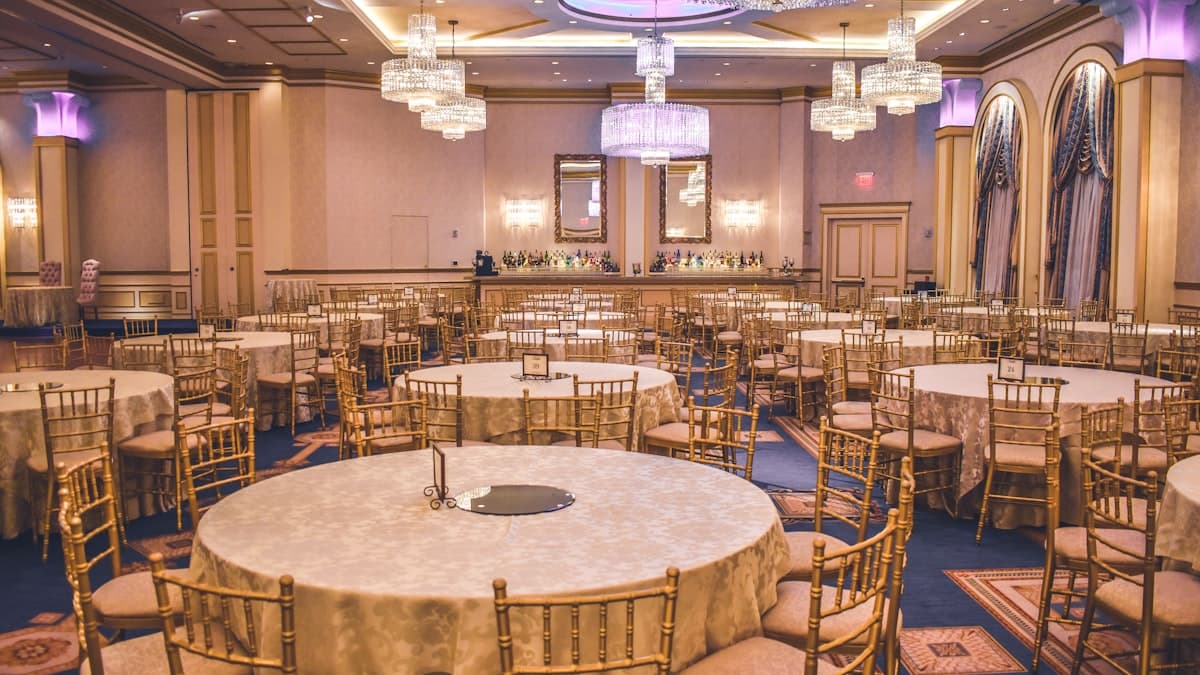
People do not book event venues based on a bullet-point list of features. They book based on how a space makes them feel. The couple imagining their first dance, the corporate planner envisioning a keynote stage, the nonprofit director picturing a room full of donors: they are all making emotional decisions backed by practical requirements. Your website is where that emotion either ignites or fizzles out.
The problem is that most venue websites fail to do their spaces justice. They rely on a handful of mediocre photos, bury critical details like capacity and pricing, and make inquiring feel like a chore. If your website does not make visitors feel the energy and beauty of your space from their screen, they will move on to the next venue on their list. Here is how to build a venue website that lets your space do the selling.
Let Photography Be the Star of Your Website
For an event venue, photography is not a design element. It is the product. Every photo on your website should make a visitor think, "I want to be there." This means investing in professional photography that captures your space at its absolute best.
Capture the Space in Multiple Contexts
Photograph your venue empty and during actual events. An empty room shows the bones and possibilities. An event in progress shows the transformation and energy. Together, they help visitors imagine their own event in your space.
Photos to prioritize:
- Wide-angle shots of each room and outdoor area
- Detail shots of architectural features, lighting, and design elements
- Event setups for different configurations (ceremony, banquet, cocktail, theater-style)
- Different event types (wedding, corporate, social) to appeal to varied audiences
- Seasonal shots if your space looks different throughout the year
- Surrounding environment (grounds, views, nearby attractions)
Use Natural and Event Lighting
Photograph your space in both natural daylight and with event lighting. Many venues look dramatically different at night or with uplighting, and showing both gives visitors a complete picture of the possibilities.
Consider a Virtual Tour
A 360-degree virtual tour lets visitors explore your space interactively. Services like Matterport make this accessible even for smaller venues. A virtual tour is especially valuable for destination venues or spaces competing for corporate clients who may not visit in person before booking.
Organize Information by Event Type
Different visitors are looking for different things. A bride searching for wedding venues has different priorities than a corporate meeting planner. Organize your website to serve each audience efficiently.
Create Dedicated Pages for Each Event Type
Build separate pages for weddings, corporate events, social gatherings, nonprofit galas, and any other event categories you serve. Each page should feature relevant photos, specific capacity information, available packages, and testimonials from clients who held that type of event at your venue.
Each event type page should include:
- Photos from real events of that type at your venue
- Capacity information for that specific setup style
- Included amenities and services relevant to that event type
- Pricing overview or starting rates
- A gallery of layout options or floor plans
- Client testimonials specific to that event type
This approach lets each visitor find exactly what they need without wading through irrelevant information. A wedding couple should not have to scroll past corporate retreat details to find ceremony capacity.
Provide the Details Planners Need Upfront
Event planners and couples research multiple venues simultaneously. They are comparing specs, running numbers, and eliminating options based on practical requirements. If your website does not answer their key questions, they will move on to a venue that does.
Essential Information to Display Clearly
Capacity and Layout:
- Maximum capacity for each room and configuration style (seated dinner, cocktail, ceremony, theater)
- Floor plan diagrams or layout options
- Whether configurations can be customized
Logistics:
- Available hours and any time restrictions (noise curfews, setup and teardown windows)
- Parking availability and capacity
- ADA accessibility details
- Loading dock or vendor access information
- On-site versus approved vendor requirements
Amenities:
- Built-in AV equipment and capabilities
- Kitchen facilities (full prep kitchen, warming kitchen, or catering staging only)
- Furniture included versus rental required
- Wi-Fi availability and capacity
- Bridal suite, green room, or breakout rooms
Do Not Hide Your Pricing
One of the biggest frustrations for venue shoppers is the inability to get any pricing information without submitting an inquiry form. While exact pricing may vary, providing starting rates, price ranges, or a clear pricing framework dramatically improves your lead quality. Visitors who know your general pricing and still inquire are far more likely to book.
Speed Up Your Website for Better Rankings and Experience
Event venue websites are inherently image-heavy, which means they are prone to slow load times. A slow website is devastating for two reasons: visitors leave before seeing your space, and search engines penalize you with lower rankings.
For a deeper understanding of how site speed affects your bottom line, read our article on how slow websites cost small businesses millions.
Speed optimization strategies for image-heavy venue sites:
- Compress all images using tools like TinyPNG or ShortPixel before uploading
- Use modern image formats like WebP where supported
- Implement lazy loading so images below the fold load only as visitors scroll
- Serve appropriately sized images (do not load a 5000-pixel image when a 1200-pixel version will suffice)
- Minimize plugins and third-party scripts that add load time
- Use a content delivery network (CDN) to serve files from servers closest to your visitors
Test your site speed regularly using Google PageSpeed Insights and aim for scores above 80 on both mobile and desktop.
Make Your Website Work Flawlessly on Mobile
Venue research happens everywhere: on couches, in coffee shops, during lunch breaks, and in the back of ride-shares. More than half of your visitors are browsing on phones, and your website needs to deliver the same impactful experience on a five-inch screen as it does on a desktop monitor.
Your photos, which are the cornerstone of your venue website, need to look stunning on mobile without destroying load times. Galleries should be touch-friendly with swipe navigation. Text should be readable without pinching and zooming. And your inquiry form should be simple to complete on a phone keyboard.
For a comprehensive look at why mobile design matters, explore our guide on responsive design and why your website must work on mobile.
Build a Conversion-Focused Inquiry Process
Every page on your venue website should guide visitors toward one primary action: submitting an inquiry or scheduling a tour. This does not mean being aggressive. It means making the next step obvious and accessible at every point in the browsing experience.
Design a Smart Inquiry Form
Collect enough information to respond meaningfully without making the form feel like a homework assignment.
Essential inquiry form fields:
- Name and email
- Event type (dropdown)
- Preferred date or date range
- Estimated guest count
- How they heard about your venue
- Optional: additional details or questions
Promote Tours and Visits
A venue tour is often the most powerful sales tool you have. Promote tour availability on every page of your website and make scheduling one as easy as possible. If you offer virtual tours for out-of-town prospects, highlight that option prominently.
Follow Up Fast
Include a note about your response time. Venues that respond within a few hours book significantly more events than those that take days to reply. If possible, set up automated confirmation emails so inquiries know their message was received.
Create Landing Pages for Specific Campaigns
Beyond your core website pages, dedicated landing pages can dramatically improve your marketing results. A landing page is a focused, single-purpose page designed around one specific offer or audience.
Landing page ideas for event venues:
- Wedding open house events with date, details, and RSVP form
- Corporate meeting packages targeting business planners
- Seasonal promotions (holiday party specials, summer event packages)
- Partner referral pages for wedding planners and event coordinators who send you business
Each landing page should have a single call to action and minimal distractions. Learn more about this approach in our guide on landing page optimization for small businesses.
Invest in Content Marketing and SEO
Event venues compete for highly valuable local search traffic. When someone searches "wedding venues in [city]" or "corporate event spaces near [neighborhood]," ranking on the first page can mean hundreds of thousands of dollars in annual bookings.
Target the Right Keywords
Focus on search terms that match how people actually look for venues:
- "[event type] venues in [city/region]"
- "[neighborhood] event space"
- "venues near [landmark]"
- "[city] wedding reception venues"
- "private event space [city]"
Start a Blog
A venue blog can be a powerful SEO tool. Write about topics your target clients are searching for: venue comparison guides, event planning tips, real event features, seasonal decor inspiration, and local vendor recommendations. Each post creates another entry point for search traffic.
High-performing blog topics for venues:
- Real event features with professional photos (get photographer and client permission)
- "X Best Venues in [City] for [Event Type]" (yes, include your competitors, and write honestly)
- Seasonal event planning guides
- Vendor spotlight posts featuring your preferred caterers, florists, and entertainment partners
- Behind-the-scenes content showing event setup and transformation
Build Local Backlinks
Get listed on event directories, wedding platforms (The Knot, WeddingWire), corporate meeting sites (Cvent, EventUp), and local business directories. Partner with other local vendors for mutual linking. Sponsor local events and charity functions for additional exposure and backlinks.
Showcase Social Proof at Every Opportunity
Trust is a critical factor in venue selection. Clients are committing significant money and trusting you with important events. Social proof reduces the perceived risk and builds confidence.
Forms of social proof for venue websites:
- Client testimonials organized by event type
- Media features and press mentions (logos or links)
- Awards and recognitions from industry organizations
- Client logos for corporate clients (with permission)
- Review scores from Google, The Knot, WeddingWire, and other platforms
- Number of events hosted as a credibility metric
Scatter these elements throughout your site rather than confining them to a single testimonials page. A review quote near your inquiry form can be the final nudge that converts a visitor into a lead.
Keep Your Website Fresh and Updated
A venue website that looks like it has not been touched in two years sends a troubling message about how the venue itself is maintained. Regular updates signal an active, thriving business.
Ongoing website maintenance for venues:
- Add photos from recent events at least monthly
- Update availability calendars if you display them
- Refresh seasonal content (holiday packages, summer offerings)
- Respond to and feature new reviews
- Check all links, forms, and interactive elements quarterly
- Review and update pricing information when rates change
- Monitor site speed and mobile performance after adding new content
Transform Your Website Into Your Best Salesperson
Your venue website should work harder than any member of your sales team. It is available around the clock, it never takes a day off, and it can make a powerful first impression on hundreds of potential clients simultaneously. When your website accurately captures the beauty and potential of your space, provides the practical information planners need, and makes inquiring feel effortless, you create a pipeline of qualified leads that keeps your calendar full.
Start with stunning photography and clear, organized information. Build from there with smart SEO, content marketing, and conversion optimization. The venues that invest in their websites do not just get more inquiries. They get better inquiries from clients who are already excited about the space and ready to book.