Dental Practice Marketing Strategies That Work
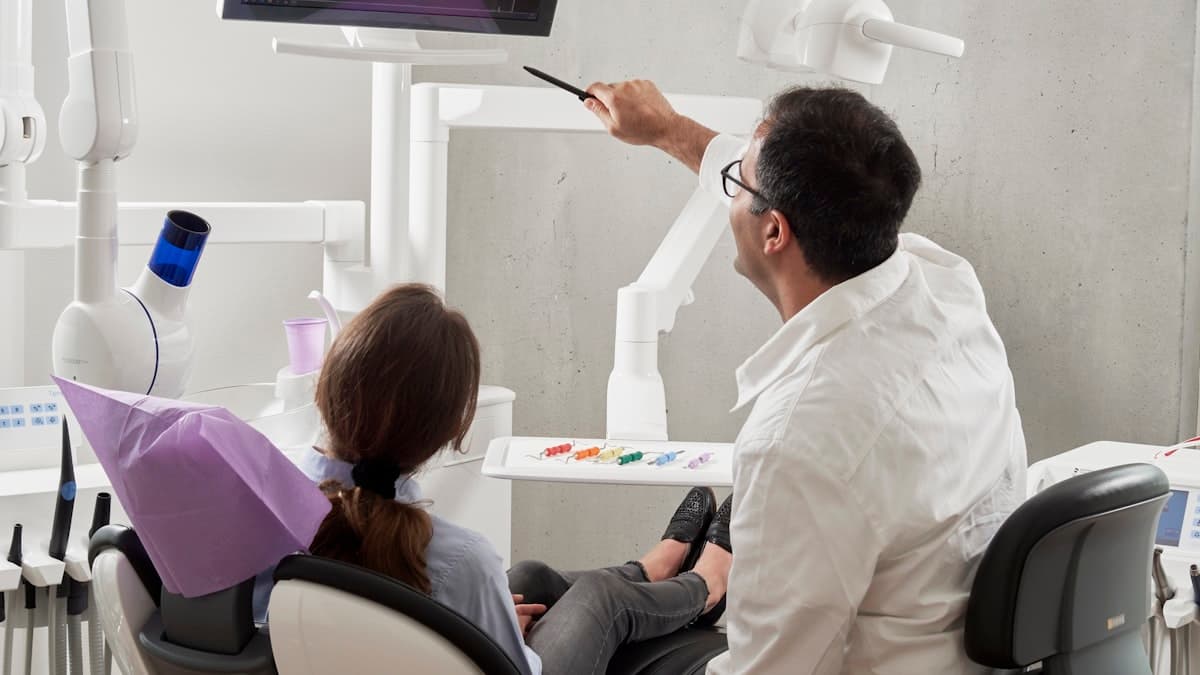
You graduated dental school, opened a beautiful practice, hired a talented team, and invested in the latest technology. But the schedule has gaps. The new patient numbers are not where they need to be. And the marketing tactics you have tried (a postcard mailer here, a Facebook ad there) produce inconsistent results at best. This is the frustrating reality for thousands of dental practices. Clinical excellence alone does not fill your chairs. Patients cannot benefit from your skills if they never walk through your door. The practices that grow steadily year after year are not necessarily the ones with the best dentistry. They are the ones with the most effective, systematic approach to marketing. And the good news is that dental marketing does not have to be complicated or expensive. It does, however, need to be strategic, consistent, and built around what actually works in 2026.
Build a Review Generation Machine
Online reviews are the single most influential factor in a new patient's decision to choose your practice. More than price, more than location, more than your website design, reviews are what tip the balance when someone is deciding between two or three dental offices.
Make review requests a systematic part of your workflow. Do not rely on patients spontaneously leaving reviews. The most successful practices build review requests into their checkout process. After a positive visit, the front desk sends a text with a direct link to the Google review page. This should happen for every patient, every time.
Train your team to identify the right moment. The best time to ask for a review is immediately after a patient expresses satisfaction. When someone says "That was way easier than I expected" or "My teeth look amazing," that is the moment to say "We would love it if you shared that experience online. Can I send you a quick link?"
Learn how to get more Google reviews consistently. The practices that dominate local search results almost always have the highest volume of recent, positive reviews. Volume and recency both matter. A steady stream of new reviews signals to Google (and to potential patients) that your practice is active and delivering positive experiences.
Respond to every review thoughtfully. Positive reviews deserve a personalized thank-you. Negative reviews require careful, professional responses that acknowledge the concern without being defensive. Having a system for responding to negative reviews with the right tone protects your reputation and often turns a negative situation into a demonstration of your practice's character.
Handling Negative Reviews Without Losing Your Cool
Negative reviews sting, especially when they feel unfair. But how you respond matters more than the review itself. Potential patients reading reviews pay close attention to how the practice handles criticism. A calm, empathetic, solution-oriented response can actually build more trust than the negative review erodes.
Develop a Content Marketing Strategy That Attracts Patients
Content marketing is one of the most cost-effective long-term strategies for dental practices. By creating helpful, educational content that answers the questions potential patients are searching for, you attract organic traffic to your website and position your practice as a trusted authority.
Write patient education articles that answer real questions. "How Much Do Dental Implants Cost?" "Does Teeth Whitening Damage Enamel?" "What Happens During a Root Canal?" These are questions people type into Google every day. When your website provides clear, trustworthy answers, those searchers become potential patients.
Create content for each stage of the patient journey. Someone researching "signs I need a root canal" is at a different stage than someone searching "best root canal dentist in [your city]." Create content that addresses awareness-stage questions (symptoms, general information), consideration-stage questions (treatment options, comparisons), and decision-stage questions (finding a provider, cost, what to expect).
Use video content to build connection. Short videos introducing your team, explaining procedures, or giving virtual office tours perform well on both your website and social media. Video builds trust faster than text because patients feel like they are meeting you before they ever walk in.
Maintain a consistent publishing schedule. Two to four new pieces of content per month is a sustainable pace for most practices. Consistency matters more than volume. A practice that publishes one solid article every week for a year will see dramatically better SEO results than one that publishes ten articles in a burst and then goes quiet.
Optimize every piece of content for search engines. Our in-depth guide to dental SEO and local search ranking walks through the specific tactics that help dental practices dominate local results. Include your target keyword in the title, first paragraph, and at least one subheading. Write compelling meta descriptions that encourage clicks from search results. Add alt text to every image. Link to relevant service pages within your content. These small optimizations accumulate over time and can double or triple the organic traffic each article generates.
Leverage Social Media Where Your Patients Are
Social media marketing for dental practices does not mean doing viral dances on TikTok (unless that is genuinely your thing). It means showing up consistently on the platforms your patients use, sharing content that educates and builds trust, and engaging with your community.
Focus on one or two platforms rather than all of them. Facebook and Instagram are the strongest platforms for most dental practices. Facebook reaches an older demographic and is excellent for community engagement. Instagram works well for before-and-after photos, office culture content, and reaching a younger audience.
Share before-and-after transformations. With proper patient consent, before-and-after photos of cosmetic procedures are some of the most engaging content a dental practice can post. Smile makeovers, whitening results, and Invisalign progress photos consistently generate high engagement.
Showcase your team and office culture. People want to know who they will encounter when they visit your practice. Team introductions, behind-the-scenes moments, birthday celebrations, and community involvement posts humanize your practice and make it feel welcoming.
Post patient testimonial videos. A 30-second video of a patient sharing their positive experience is worth more than dozens of text posts. With permission, film brief testimonials after particularly impactful treatments.
Engage with comments and messages promptly. Social media is a two-way conversation. Respond to comments, answer questions in direct messages, and interact with other local businesses and community pages. This engagement builds relationships and extends your reach.
Create a Patient Referral Program That Actually Works
Word-of-mouth referrals remain the most trusted form of marketing for dental practices. A structured referral program takes this natural process and amplifies it by giving patients a reason and a mechanism to refer friends and family.
Make it genuinely rewarding. A $5 discount on their next visit is not going to motivate anyone to make a personal recommendation. Consider more meaningful incentives: a free whitening treatment, a significant credit toward a future procedure, a gift card to a popular local restaurant, or a donation to a charity of their choice.
Make referring easy. Give patients referral cards they can hand to friends, create a simple online referral form on your website, and send occasional email reminders about your referral program. The easier you make it, the more likely patients are to actually refer.
Thank referrers personally. When a referral results in a new patient, send a handwritten thank-you note in addition to the referral reward. This personal touch reinforces the behavior and makes the referring patient feel valued.
Track your referral sources. Every new patient should be asked how they heard about your practice. Track these responses to understand which referral sources (existing patients, other healthcare providers, community organizations) are most productive.
Invest in Paid Advertising Strategically
Paid advertising can accelerate patient acquisition, but it needs to be targeted and measured carefully to avoid wasting budget. For dental practices, the two most effective paid channels are Google Ads and Facebook/Instagram Ads.
Google Ads for high-intent searches. When someone searches "emergency dentist near me" or "teeth whitening [your city]," a Google Ad puts your practice at the very top of the results. These are high-intent searches from people ready to book, and the cost per acquisition is often very favorable for dental practices.
Facebook and Instagram Ads for awareness and special offers. Social media ads work best for promoting specific offers (new patient specials, seasonal promotions), reaching a targeted demographic, or raising general awareness in your community. They are less effective for capturing high-intent searches but excellent for staying top of mind.
Retarget website visitors. Someone who visited your website but did not book an appointment is a warm lead. Retargeting ads that follow them across the web with a gentle reminder and a compelling offer can bring them back to complete the booking.
Set a realistic budget and track every dollar. Start with a monthly budget you are comfortable with (many practices begin with $1,000 to $2,000 per month) and track the cost per new patient acquisition rigorously. Scale up the channels that produce a positive return and cut the ones that do not.
Calculating Your Dental Advertising ROI
To measure advertising ROI, you need to know your average lifetime patient value. If the average patient spends $2,500 over their relationship with your practice, and it costs you $150 in advertising to acquire them, that is a 16x return on investment. Track these numbers monthly and adjust your strategy accordingly.
Optimize Your Website as Your Marketing Hub
Your website is the center of your entire marketing ecosystem. Every other channel (social media, paid ads, community outreach, referrals) ultimately drives people back to your website. If it is not optimized for conversion, every other marketing dollar is less effective.
Create dedicated landing pages for your campaigns. A Google Ad for "teeth whitening" should not send visitors to your homepage. It should send them to a dedicated teeth whitening page with specific information, pricing, before-and-after photos, and a clear booking CTA. Campaign-specific landing pages dramatically improve conversion rates.
Your website is the foundation everything else is built on. If it has not been optimized recently, our guide to dental practice website design covers the layout, trust signals, and conversion elements that turn visitors into patients.
Ensure your website is fast and mobile-friendly. More than half of your visitors are on mobile devices, and many of them are searching in urgent situations. A site that loads slowly or is difficult to navigate on a phone will lose potential patients regardless of how much you spend driving traffic to it.
Feature new patient offers prominently. If you offer a new patient special (discounted exam, free whitening with first visit, complimentary consultation), make it visible on your homepage, in your site header, and on relevant service pages. Special offers give first-time visitors a reason to choose you over a competitor.
Add live chat or a chatbot. For visitors who have quick questions but are not ready to call or book online, a chat feature provides an immediate response channel. Many dental-specific platforms now offer AI-powered chatbots that can answer common questions and guide visitors toward booking.
Update your website regularly. A website that looks the same every month signals a practice that is not growing or evolving. Regularly add new patient reviews, update team photos, refresh your homepage imagery, and publish new content to keep your site feeling current and active.
Build Strategic Community Partnerships
Community marketing is an often-overlooked strategy that can produce a steady stream of referrals without the ongoing cost of advertising. By becoming a visible, active member of your community, you build awareness and trust organically.
Partner with complementary healthcare providers. Pediatricians, orthodontists, oral surgeons, general physicians, and other healthcare providers who do not compete directly with you are natural referral partners. Establish relationships, provide them with referral materials, and offer to reciprocate.
Sponsor local events and organizations. Youth sports teams, school events, charity runs, and community festivals all offer sponsorship opportunities that put your practice name in front of local families. Choose sponsorships that align with your target patient demographic.
Offer free dental education at schools and community centers. Presentations about oral health at elementary schools, senior centers, or community organizations establish you as a caring, knowledgeable provider. These presentations often lead directly to new patient appointments.
Collaborate with local businesses. Cross-promotions with gyms, spas, salons, and other wellness businesses can introduce your practice to their customer base. A simple rack card exchange or a joint social media promotion costs virtually nothing and expands your reach.
Implement a Comprehensive Digital Marketing Strategy
Individual tactics work, but they work exponentially better when they are part of a coordinated strategy. Your dental marketing should function as an interconnected system where each channel supports and amplifies the others.
Align your website, social media, and advertising messaging. If your Google Ads promote a new patient special, that same offer should be featured on your website landing page and your social media profiles. Consistent messaging across channels builds recognition and trust.
Use email marketing to retain existing patients. A monthly newsletter with dental tips, practice news, and special offers keeps your practice top of mind between visits. Email marketing is one of the most cost-effective channels for patient retention and reactivation.
Create a content calendar that covers all channels. Plan your blog posts, social media content, email newsletters, and promotional campaigns on a single calendar. This ensures consistency, prevents gaps, and helps you identify opportunities to repurpose content across channels.
Automate where possible. Appointment reminders, post-visit review requests, recall notifications, and email nurture sequences can all be automated. Automation ensures these critical touchpoints happen consistently without relying on your team to remember every time.
Use Email Marketing to Retain and Reactivate Patients
Acquiring a new patient costs significantly more than retaining an existing one. Email marketing is one of the most cost-effective tools for keeping your current patients engaged, reminding them about overdue care, and encouraging them to refer friends and family.
Send automated recall reminders. When a patient is due for their six-month cleaning, annual exam, or any recurring appointment, an automated email reminder saves your team time and reduces the number of patients who fall off your schedule.
Create a monthly or quarterly newsletter. Share dental health tips, practice news, team introductions, new technology announcements, and seasonal information. Keep the tone friendly and the content useful. A newsletter that provides genuine value keeps your practice in patients' inboxes without feeling like spam.
Reactivate lapsed patients with targeted campaigns. Patients who have not visited in 12 to 18 months are prime candidates for reactivation emails. A warm, personal message ("We have missed seeing you! It has been a while since your last visit, and we would love to help you get back on track with your dental health") combined with a special offer can bring dormant patients back.
Promote new services through email. When you add a new service (teeth whitening, Invisalign, same-day crowns), your existing patient base is your most receptive audience. An email announcement with a special introductory offer can generate immediate bookings.
Segment your email list for better results. Patients who have expressed interest in cosmetic procedures should receive different content than families with young children. The more relevant your emails are to each recipient, the higher your engagement and conversion rates will be.
Track, Measure, and Optimize Everything
The dental practices that grow consistently are the ones that treat marketing as a measurable business function, not a creative exercise. Every strategy should be tracked, and every dollar should be accountable.
Define your key metrics. New patients per month, cost per new patient acquisition, patient retention rate, referral rate, and online review volume are the metrics that matter most. Track them monthly and look for trends.
Use call tracking. Many new patients still call to book their first appointment. Call tracking numbers on your website, Google Ads, and printed materials tell you exactly which marketing channel generated each phone call.
Review your marketing performance monthly. Set aside time each month to review your metrics, identify what is working, and adjust what is not. Marketing that is not measured cannot be improved.
Set realistic growth goals. If you are currently adding 20 new patients per month, a goal of 25 next quarter is achievable and measurable. Set specific, time-bound goals for your key metrics and hold yourself accountable to them.
Do not chase shiny objects. New marketing platforms, tools, and tactics appear constantly. Before adding anything new to your marketing mix, ask whether it addresses a specific gap in your current strategy. The practices that succeed are not the ones doing the most things. They are the ones doing the right things consistently.
Building Your Marketing Dashboard
Create a simple monthly marketing dashboard that brings all your key metrics into one view. Track new patients by source (Google, referrals, social media, paid ads, community events), cost per acquisition by channel, total marketing spend, review count and average rating, website traffic and conversion rate, and email engagement metrics. Reviewing this dashboard monthly takes less than an hour and provides the clarity you need to make informed decisions about where to invest your marketing time and budget. Over time, patterns will emerge that make your marketing increasingly efficient and effective.
Growing a dental practice through marketing is not about finding one magic tactic. It is about building a system of complementary strategies that work together to attract, convert, and retain patients. Start with the foundations (reviews, website, content, and referrals), add targeted paid advertising as your budget allows, and build community relationships that compound over time. Measure everything, improve continuously, and remember that consistency beats intensity. The practices that show up every day with helpful content, genuine patient care, and systematic follow-up are the ones that fill their schedules and build thriving businesses.