Dental SEO: How to Rank in Local Search Results
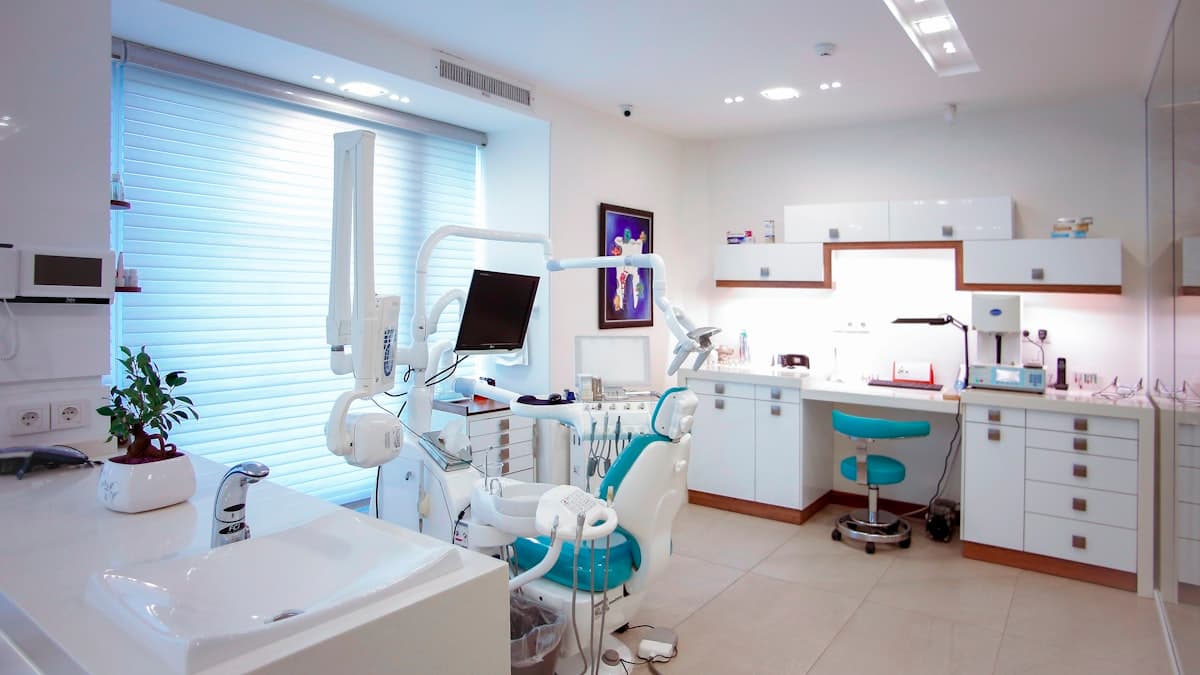
When someone in your area searches "dentist near me" or "emergency dentist [your city]," the practices that appear at the top of those results get the overwhelming majority of new patient inquiries. The practices on page two might as well not exist. That is not an exaggeration. Studies consistently show that fewer than 5% of searchers ever click through to the second page of Google results. For dental practices, where the vast majority of patients come from within a 10 to 15 mile radius, local SEO is not just one marketing channel among many. It is the marketing channel. The practices that invest in local search optimization consistently fill their schedules, while those that ignore it struggle to grow, even if their clinical skills are exceptional.
How Local Search Works for Dental Practices
Before diving into specific tactics, it helps to understand the mechanics of how Google determines which dental practices appear in local search results. The system involves two distinct types of results that operate by different rules.
The Local Pack (Map Pack) uses different ranking factors than organic results. When you search for a local business, Google typically shows a map with three listings (the "Local Pack") above the traditional organic search results. These two sections are ranked differently, and you need a strategy for both.
Google evaluates three primary factors for local rankings. Relevance (how well your listing matches the search), distance (how close you are to the searcher), and prominence (how well-known and trusted your practice is online) are the three pillars of local ranking. Your SEO strategy needs to address all three.
Patient behavior shapes your strategy. Most dental searches are high-intent. Someone searching for "teeth whitening [your city]" is not casually browsing. They are actively looking for a provider. This means the traffic you get from local SEO is among the most valuable traffic any marketing channel can deliver.
Mobile search dominates dental queries. The majority of "near me" searches happen on mobile devices, often from people who are ready to take action immediately. Your website and Google Business Profile need to be optimized for mobile users who want to find information, read reviews, and call or book within minutes.
Optimize Your Google Business Profile Thoroughly
Your Google Business Profile (GBP) is the single most important factor in your Local Pack ranking. A fully optimized profile significantly outperforms a bare-bones one. If you have not claimed and optimized your profile, start there immediately.
Claim and verify your listing. If your practice has been around for any length of time, a GBP listing probably already exists. Claim it, verify ownership through Google's verification process, and take full control of the information displayed. For a dentist-specific walkthrough of every optimization step, see our guide to Google Business Profile for dentists.
Complete every field in your profile. Business name (exactly as it appears on your signage and registration), address, phone number, website URL, hours of operation, services offered, payment methods accepted, and insurance providers. Leave nothing blank.
Choose the most specific primary category. "Dentist" is the most common primary category, but you should also add secondary categories that reflect your specialties: "Cosmetic Dentist," "Pediatric Dentist," "Emergency Dental Service," "Dental Implants Provider," and so on. Categories directly influence which searches your profile appears for.
Write a compelling business description. You have 750 characters to describe your practice. Include your key services, the areas you serve, what makes your practice unique, and a natural mention of your primary keywords. Write for patients, not for search engines.
Upload high-quality photos regularly. Google profiles with recent photos receive significantly more clicks than those without. Upload photos of your office exterior, reception area, treatment rooms, team members, and before-and-after results (with patient permission). Add new photos at least monthly.
Google Business Profile Posts
Use the Posts feature to share updates, promotions, events, and blog content directly on your GBP listing. Posts expire after seven days, so posting weekly keeps your profile active and signals to Google that your business is engaged.
Build Your On-Page SEO Foundation
Your website is the foundation that supports all your other local SEO efforts. Without a properly optimized site, your GBP and off-site efforts will underperform.
Create dedicated pages for each major service. Instead of one generic "Services" page, create individual pages for "Teeth Whitening," "Dental Implants," "Invisalign," "Emergency Dentistry," "Pediatric Dentistry," and every other significant service you offer. Each page should target specific keywords and provide comprehensive information.
Optimize title tags and meta descriptions. Every page on your site should have a unique title tag that includes the target keyword and your location. "Dental Implants in [City Name] | [Practice Name]" is far more effective than "Services | [Practice Name]." Meta descriptions should be compelling summaries that encourage clicks.
Include your NAP on every page. Your practice name, address, and phone number should appear consistently in the footer of every page on your website. This consistency reinforces your location signals and helps Google connect your website to your GBP listing.
Implement schema markup for your dental practice. LocalBusiness, Dentist, and MedicalOrganization schema help search engines understand your business information in a structured format. Add schema for your address, phone number, hours, services, and reviews.
Optimize for mobile performance. Google uses mobile-first indexing, meaning it evaluates the mobile version of your site for rankings. Ensure your site loads quickly, displays properly, and functions smoothly on smartphones and tablets.
Create a Comprehensive Content Strategy
Content marketing is what separates dental practices that rank for a handful of terms from those that dominate local search across hundreds of relevant queries. A strategic approach to content creation builds topical authority and attracts patients at every stage of their decision-making process.
Write patient education content around common procedures. "What to Expect During a Root Canal," "How Long Do Dental Implants Last," and "Is Invisalign Right for You?" are all topics that people actively search before booking appointments. Comprehensive, accurate answers to these questions build trust and drive organic traffic.
Target location-specific keywords in your content. Create pages or blog posts that specifically address dental care in your area. "Finding an Emergency Dentist in [City]," "Best Dental Insurance Plans Accepted in [City]," or "[Neighborhood] Family Dentistry Guide" combine dental topics with geographic targeting.
Address dental anxiety and common fears. A significant percentage of the population avoids the dentist due to fear. Content that acknowledges dental anxiety and explains your approach to comfortable care (sedation options, gentle techniques, patient-controlled procedures) reaches a large, underserved audience.
Publish consistently. Search engines favor websites that regularly add new content. Aim for at least two to four new pieces per month. A mix of patient education articles, procedure explainers, and practice news keeps your content fresh and diverse.
Develop a content calendar. Map out three to six months of content in advance, aligning topics with seasonal relevance, patient questions you hear frequently in the office, and keyword opportunities you have identified through research. Having a calendar prevents the common pattern of publishing enthusiastically for a month and then going silent for three. Consistency is what builds organic traffic over time, and a content calendar keeps you on track even when the day-to-day demands of running a dental practice compete for your attention.
Content Ideas That Drive Dental Patient Leads
Focus on topics with clear patient intent: cost-related queries ("how much do veneers cost"), comparison queries ("Invisalign vs braces"), symptom queries ("why does my tooth hurt when I bite down"), and procedure preparation queries ("how to prepare for wisdom teeth removal"). These topics attract visitors who are actively seeking dental care.
Build and Manage Your Online Reviews
Reviews are a major ranking factor for local SEO and arguably the most influential factor in a patient's decision to choose your practice over a competitor. A comprehensive local SEO strategy always prioritizes review generation and management.
Develop a systematic review request process. Do not leave reviews to chance. Create a consistent process for asking satisfied patients to leave a review. The most effective approach is a personal request from the dentist or hygienist at the end of a positive visit, followed by a text or email with a direct link to your Google review page.
Respond to every review, positive and negative. Responses show potential patients (and Google) that you are engaged and care about patient feedback. Thank positive reviewers by name. Respond to negative reviews professionally, acknowledging the concern and inviting the patient to discuss the issue offline.
Monitor your review velocity. Google values a steady stream of recent reviews over a large number of old ones. A practice with 50 reviews from the past year outperforms one with 200 reviews that stopped accumulating two years ago. Consistency matters.
Never buy or fake reviews. Google's algorithms are increasingly sophisticated at detecting fake reviews, and the penalties (removal of all reviews, profile suspension, or worse) are severe. Focus on earning genuine reviews through excellent patient care and thoughtful asking.
Leverage Link Building for Dental Practices
Backlinks from other websites remain one of the strongest ranking signals in Google's algorithm. For dental practices, link building does not mean buying links or sending cold emails. It means building relationships and creating content that naturally earns links.
Get listed in local business organizations. Your chamber of commerce, local business associations, and community organizations often provide member directories with links to your website. These local, relevant links carry significant SEO value.
Partner with complementary healthcare providers. Ask orthodontists, pediatricians, oral surgeons, and other referral partners if they would be willing to link to your practice from their resources or referral pages. Offer to reciprocate with links from your own site.
Create linkable content assets. Original research, infographics, comprehensive guides, and interactive tools (like a "which treatment is right for me" quiz) naturally attract links from other websites and blogs that reference your content.
Pursue local press coverage. Community involvement, charitable events, new technology acquisitions, and practice milestones are all newsworthy topics that local media may cover. Media coverage typically includes a link to your website and builds both authority and brand awareness.
Sponsor community events and local teams. Sponsoring a youth sports team, a school fundraiser, or a community health fair often results in your practice being mentioned (and linked to) on the organization's website. These are natural, local links that Google values highly.
Establish Consistent Citations Across the Web
Citations are mentions of your practice's name, address, and phone number on other websites. Consistent, accurate citations across the web reinforce your practice's legitimacy and improve your local search visibility.
Start with the major data aggregators. Data Axle, Neustar Localeze, and Foursquare distribute business information to hundreds of smaller directories. Ensuring your information is correct with these aggregators creates a foundation of consistent citations.
Claim profiles on healthcare-specific directories. Healthgrades, Zocdoc, WebMD, Vitals, and your state dental association directory are all important citation sources for dental practices. Complete each profile thoroughly with consistent NAP information.
Audit your existing citations. Use tools like BrightLocal, Moz Local, or Whitespark to scan for existing mentions of your practice. Identify and correct any inconsistencies in your name, address, or phone number. Even small discrepancies (like "Suite 200" vs. "Ste 200") can cause confusion.
Build citations in local business directories. Your local chamber of commerce, Better Business Bureau, city business directory, and neighborhood association websites are all valuable citation sources that also carry local relevance signals.
Optimize Your Website for Conversions
Driving traffic to your dental website through SEO is only valuable if that traffic converts into booked appointments. Your website needs to be optimized not just for search engines but for the patients who land on it.
Offering online patient booking is one of the most effective ways to convert website visitors into scheduled appointments, especially for patients who find you through search after hours.
Place clear calls to action on every page. Every service page, blog post, and informational page should include a prominent CTA that makes it easy for visitors to take the next step. "Schedule Your Appointment" buttons should appear above the fold and at natural decision points throughout each page.
Display your phone number prominently. Many dental patients, especially those with urgent needs, prefer to call. Your phone number should be in your site header on every page, and it should be a clickable link on mobile devices.
Show social proof throughout the site. Patient reviews, star ratings, before-and-after photos, and trust badges (AAHA accreditation, professional memberships) should appear on your homepage, service pages, and even your blog sidebar. Social proof reassures visitors at every stage of their browsing.
Your website's design plays a huge role in whether visitors actually convert into patients. For practical guidance on layout, trust signals, and the elements patients care about most, see our guide to dental practice website design.
Optimize your site speed. Google considers page speed a ranking factor, and patients consider it a patience factor. Compress images, minimize scripts, use a fast hosting provider, and test your load times regularly. A site that loads in under two seconds significantly outperforms one that takes four or five.
Make your site accessible. Ensure your website meets basic accessibility standards with sufficient color contrast, descriptive alt text, keyboard navigation support, and clear heading structure. Accessibility improvements often overlap with SEO best practices, creating a win on both fronts.
Optimize for Voice Search and AI-Powered Results
The way people search for dental services is evolving. Voice search and AI-powered search features are becoming increasingly common, and dental practices need to adapt.
Structure content for conversational queries. Voice searches tend to be longer and more conversational than typed searches. "Who is the best dentist near me that accepts Delta Dental?" is a typical voice query. Content that naturally answers these types of questions performs well in voice results.
Implement FAQ schema. Frequently asked questions structured with FAQ schema are prime candidates for voice search answers and AI-generated search summaries. Create FAQ sections on your service pages that address the most common questions patients ask about each procedure.
Optimize for "near me" searches. Ensure your website and GBP contain clear geographic signals. Mention your city, neighborhoods, nearby landmarks, and service area throughout your content to help search engines connect your practice with local queries.
Monitor AI-powered search features. Google's AI Overviews and other AI-generated search results are becoming more prevalent. Track whether your practice appears in these features and optimize your content to provide the clear, authoritative answers that AI systems prefer to cite.
Claim your knowledge panel. If your practice has been around long enough, Google may display a knowledge panel for your business name searches. Ensure all information in the panel is accurate, and submit corrections through Google if anything is wrong. A complete, accurate knowledge panel reinforces your practice's legitimacy and provides patients with essential information at a glance.
Track Your Rankings and Measure ROI
Dental SEO is a long-term investment, and you need to track your progress to understand what is working, what needs adjustment, and what return you are getting on your investment. Use the data from your SEO audit process to establish benchmarks and measure improvement.
Track keyword rankings for your target terms. Monitor your positions for your most important keywords weekly. Use a rank tracking tool that shows local rankings (not just national), since your position can vary significantly based on the searcher's location.
Monitor your GBP insights. Google provides data on how many people viewed your profile, clicked through to your website, requested directions, and called your practice. These metrics directly indicate how your local presence is performing.
Track new patient sources. Ask every new patient how they found you. "I searched online" is a good start, but try to get more specific: "I found you on Google," "I saw your reviews on Google," or "I read your article about dental implants." This granular data helps you attribute new patients to specific SEO efforts.
Calculate your patient acquisition cost. Divide your total SEO investment (tools, agency fees, content creation, time) by the number of new patients attributed to organic search. Compare this to the cost of acquiring patients through other channels like paid ads, direct mail, or referral programs.
Be patient and persistent. Local SEO results are not instant. Most dental practices start seeing meaningful improvement in rankings and traffic within three to six months, with results continuing to compound over 12 to 24 months. The practices that commit to a long-term SEO strategy consistently outperform those that jump from tactic to tactic looking for quick wins.
Setting Realistic SEO Expectations
It is important to set realistic expectations with your team or marketing agency. Meaningful SEO results for dental practices typically begin to appear within three to six months, with significant growth occurring over 12 to 24 months of consistent effort. Rankings fluctuate naturally, and algorithm updates can cause temporary shifts. The practices that succeed are those that maintain a steady, long-term approach rather than overreacting to short-term fluctuations. Track your progress monthly, celebrate improvements, and stay focused on the fundamentals that drive lasting results.
SEO is just one piece of the puzzle. For a broader look at the marketing channels that work together to fill your schedule, our guide to dental practice marketing strategies covers reviews, referrals, paid advertising, and community outreach.
Local SEO for dental practices is not complicated, but it does require consistency, attention to detail, and a long-term commitment. The fundamentals (an optimized GBP, a well-structured website, great content, strong reviews, and consistent citations) have not changed much over the years, and they continue to be the most reliable path to filling your schedule with new patients who found you online. Start with the highest-impact actions, build systems that sustain your efforts over time, and track your results so you can continuously improve. The practices that invest in local SEO today are the ones that will dominate their markets for years to come.