Wedding Season Marketing for Wedding Vendors
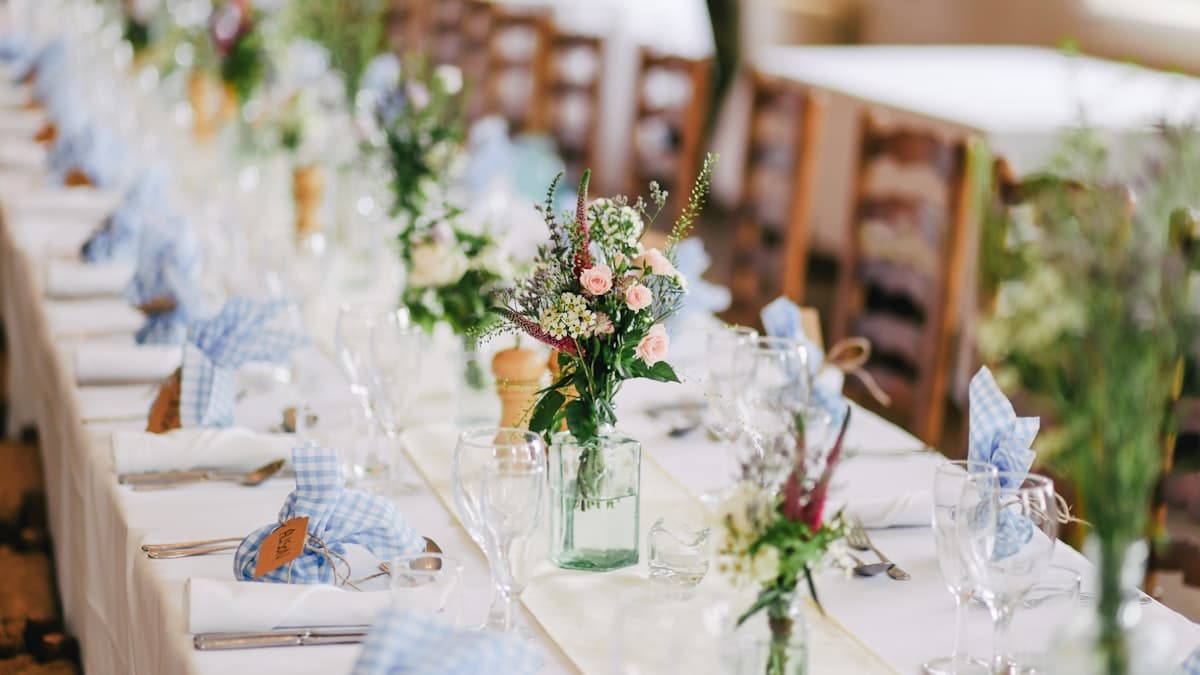
Wedding season is the most critical business period for vendors in the wedding industry. While weddings happen year-round, the peak season from May through October accounts for the majority of bookings and revenue for photographers, planners, florists, venues, caterers, DJs, and other wedding professionals. Your website and marketing during this period can determine your entire year's financial success.
The unique challenge of wedding marketing is that your customers are mostly first-time buyers making high-stakes, emotional decisions. They are researching extensively, comparing multiple vendors, and relying heavily on visual evidence and peer recommendations. Your marketing needs to meet them where they are in this process and give them the confidence to choose you.
This guide covers practical marketing strategies that wedding vendors can implement to maximize bookings during wedding season.
Website Optimization for Wedding Season
Your website is the centerpiece of your marketing. Couples visit your site multiple times before deciding to inquire, and they often show it to partners, parents, and friends for input.
Portfolio Updates
Your portfolio is your most powerful sales tool. Before wedding season, update it with your strongest, most recent work.
Priority actions:
- Add your best work from the past year
- Remove older work that no longer represents your current quality
- Ensure variety in your portfolio (different venues, styles, seasons, cultural traditions)
- Include full wedding features (not just highlight shots) so couples can envision their complete experience
Organization. Categorize your portfolio by style (classic, modern, rustic, bohemian), venue type (outdoor, indoor, destination), or service type. This helps couples quickly find examples relevant to their vision.
For photography-specific portfolio advice, see our guide on photography portfolio website tips.
Service Pages
Each service you offer should have its own detailed page optimized for search and conversion.
What each service page should include:
- Clear description of what is included
- Starting price or price range (transparency builds trust)
- Photos specific to that service
- Process explanation (what to expect)
- Testimonials from past clients who used that service
- FAQ section addressing common questions
- Clear call to action (inquiry form, booking link)
Inquiry Forms
Your inquiry form is the gateway to new bookings. Optimize it for conversions.
Essential fields: Name, email, wedding date, venue (or location), and how they found you.
Optional but helpful: Budget range, estimated guest count, specific services needed.
Avoid: Too many required fields. Forms with more than 8 fields see significantly higher abandonment rates. Collect detailed information during the consultation, not the initial inquiry.
Response time matters. Couples often inquire with multiple vendors simultaneously. The vendor who responds fastest often gets the booking. Set up instant auto-reply emails confirming receipt and indicating when they will hear from you ("We will respond within 24 hours").
Wedding-Specific SEO
Optimize your website for the searches couples are making.
Target keywords:
- "[Service] + [city]" (e.g., "wedding photographer Portland")
- "[Service] + [venue]" (e.g., "catering [popular venue name]")
- "[Style] + [service]" (e.g., "bohemian wedding florist")
- "Best [service] + [region]" (e.g., "best wedding DJ in Seattle")
- "How much does a [service] cost" (e.g., "how much does a wedding planner cost")
Content for SEO:
- Blog posts from real weddings (include venue name, style, and location)
- Venue-specific content (your guide to specific popular venues)
- Style guides and inspiration content
- Seasonal planning guides
For venue-specific marketing tips, see our guide on event venue website tips.
Content Marketing for Wedding Vendors
Content marketing builds the trust and authority that drive bookings.
Real Wedding Features
Publishing detailed features from real weddings is the most effective content strategy for wedding vendors.
What to include in each feature:
- Beautiful images showcasing your work
- The couple's story (how they met, their vision)
- Vendor credits (builds relationships with other vendors)
- Details about your contribution (your creative process, challenges overcome)
- Venue information and tips
SEO benefit. Real wedding features naturally include keywords like the venue name, city, style, and specific services, all terms couples search for.
Frequency. Aim to publish 1 to 2 real wedding features per month during the booking season.
Planning Guides and Tips
Create content that helps couples plan their wedding. This positions you as an expert and captures search traffic.
Content ideas:
- "Your Complete Wedding Photography Timeline"
- "How to Choose a Wedding Venue: 15 Questions to Ask"
- "Wedding Flower Budgets: What to Expect in [Year]"
- "Your [Season] Wedding Planning Checklist"
- "What to Ask Your [Vendor Type] Before Booking"
Video Content
Video is increasingly important for wedding marketing because couples want to see your work in action, not just in photos.
Video content ideas:
- Behind-the-scenes at a wedding (with couple's permission)
- Client testimonials (video is more compelling than written)
- Your process (how you plan, prepare, and execute)
- Venue tours and walkthroughs
- Wedding day highlights or recap videos
Social Media Strategy for Wedding Season
Social media is where couples discover and evaluate wedding vendors. Instagram, TikTok, and Pinterest are the primary platforms.
Instagram is the leading platform for wedding vendor marketing.
Content strategy:
- Gallery posts of your best work from recent weddings
- Reels showing behind-the-scenes, setup processes, or transformations
- Stories for daily updates, polls, and engagement
- Carousel posts for wedding planning tips and vendor advice
- Client testimonials as quote graphics or video
Posting frequency during wedding season: 4 to 5 times per week with daily Stories.
Hashtag strategy: Mix broad hashtags (#weddingphotography, #weddingplanner) with specific ones (#PortlandWedding, #RusticWeddingVenue, #BohemianBride). Research hashtags your target couples are following.
Pinterest is a planning tool for brides. Your content should be optimized for discovery.
Strategy:
- Pin every blog post and portfolio item
- Create boards organized by style, color, season, and venue type
- Write detailed pin descriptions with relevant keywords
- Join group boards in the wedding category
- Pin consistently (5 to 10 pins per day using a scheduling tool)
TikTok
TikTok is growing rapidly for wedding content, especially with younger couples.
Content ideas:
- Transformation videos (setup to final result)
- "Day in the life" of a wedding vendor
- Quick tips for wedding planning
- Trending audio paired with wedding content
- Behind-the-scenes moments
Reviews and Testimonials
Reviews are disproportionately important in the wedding industry because the stakes are high and the purchase is non-repeatable.
Collecting Wedding Reviews
When to ask: One to two weeks after the wedding (or after photo/video delivery) when the emotional high is still present.
Where to ask for reviews: Google Business Profile (most important for SEO), The Knot and WeddingWire (most important for industry visibility), your website testimonial page, and Facebook.
How to make it easy: Send a personalized email with direct links to your review profiles. Include specific prompts: "We would love to hear about your experience, especially what you enjoyed about working with us, any favorite moments from the day, and whether you would recommend us to friends."
Displaying Reviews Effectively
Feature reviews prominently throughout your website, not just on a dedicated testimonial page.
Strategic placement:
- Homepage (3 to 5 best reviews)
- Each service page (reviews specific to that service)
- Portfolio project pages (review from that specific couple)
- Inquiry page (reinforces the decision to reach out)
For vendor-specific review strategies, see our guide on wedding planner website tips.
Vendor Partnerships and Networking
The wedding industry is inherently collaborative. Strong vendor relationships drive referrals.
Building Referral Networks
Identify complementary vendors. If you are a photographer, build relationships with planners, venues, florists, and DJs. These vendors are asked "who do you recommend?" by every couple they work with.
How to build these relationships:
- Attend industry networking events and bridal shows
- Offer to do styled shoots with vendors you want to collaborate with
- Send referrals to vendors you trust and admire
- Share other vendors' work on your social media
- Tag and credit vendors in every wedding feature you publish
Preferred Vendor Lists
Getting on venue and planner preferred vendor lists is one of the most valuable marketing positions in the wedding industry.
How to get listed:
- Deliver excellent work at the venue
- Build a personal relationship with venue coordinators
- Provide the venue with your best photos from events there (free marketing for them)
- Ask satisfied mutual clients to mention you to the venue coordinator
Styled Shoots
Collaborative styled shoots serve multiple purposes.
Benefits:
- Create fresh portfolio content
- Build relationships with other vendors
- Generate content that can be submitted to wedding blogs and magazines
- Fill portfolio gaps (specific styles, venues, or cultural traditions you want to attract)
Bridal Shows and Wedding Expos
While digital marketing dominates, bridal shows remain valuable for many wedding vendors.
Making Shows Work for You
Before the show:
- Update your website so it is ready for the traffic surge
- Prepare a special show offer (discount, free add-on, or exclusive package)
- Create a lead capture system (digital form, not just a fishbowl of business cards)
At the show:
- Design a booth that visually represents your brand and quality
- Engage actively with visitors rather than sitting behind a table
- Demonstrate your work if possible (live floral arrangement, sample albums, video reels)
- Collect contact information systematically
After the show:
- Follow up with every lead within 48 hours
- Send a personalized email referencing your conversation
- Include a link to relevant portfolio work based on their interests
- Add leads to a nurture email sequence
Pricing and Packaging Strategy
How you present pricing on your website affects both the quality and quantity of inquiries.
Pricing Transparency
Couples overwhelmingly prefer vendors who share pricing information. A survey by WeddingWire found that 70 percent of couples will skip a vendor who does not show any pricing.
Effective approaches:
- "Packages starting at $[amount]" sets a baseline expectation
- Displaying 2 to 3 package tiers with clear pricing and inclusions
- "Investment: $[range]" for custom services
- A detailed "What is Included" section that justifies the price
Package Structure
Three-tier approach works well for most wedding vendors:
Essential package. Core services at your most accessible price point. Attracts budget-conscious couples and serves as an entry point.
Signature package. Your recommended, full-service offering. This should be what most couples choose. Highlight it as "Most Popular."
Premium package. Your most comprehensive offering with premium add-ons, extended time, and exclusive features.
Seasonal Pricing
Consider offering different pricing for peak versus off-peak dates.
Off-peak incentives: Reduced rates for weekday weddings, January through March dates, or Sunday events. This fills your calendar during slower periods while maintaining premium pricing during peak demand.
Email Marketing for Wedding Vendors
Email nurtures leads between the initial inquiry and the booking decision.
Lead Nurture Sequence
Email 1 (immediate). Auto-reply confirming receipt of inquiry. Include a link to your full portfolio and a brief note about response timeline.
Email 2 (within 24 hours). Personal response from you. Answer their specific questions. Suggest available dates. Include links to relevant portfolio work.
Email 3 (1 week after consultation if not booked). Follow up with any information promised during the consultation. Share a relevant blog post or real wedding feature.
Email 4 (2 weeks if still not booked). Gentle follow-up. Share a time-sensitive element ("We have had another inquiry for your date and want to give you first priority").
Past Client Communication
Stay in touch with past clients. They are your best referral source.
Anniversary emails. Send a message on their wedding anniversary. Include a favorite image from their wedding. This generates social shares and keeps you top of mind for referrals.
Referral program. Offer a bonus (print credit, gift card, or charitable donation in their name) when past clients refer a booking.
Local SEO for Wedding Vendors
Local search is critical because most couples search for vendors in their area.
Essential local SEO actions:
- Optimize your Google Business Profile with wedding-specific categories
- Post regularly on Google Business (share recent weddings, tips, and promotions)
- Build citations on wedding directories (The Knot, WeddingWire, Zola)
- Collect and respond to Google reviews consistently
- Include location keywords throughout your website content
For comprehensive local SEO strategy, see our complete guide to local SEO.
Measuring Wedding Marketing Performance
Track these metrics to optimize your marketing investment.
Inquiry volume. Total inquiries by source (website, social media, referral, bridal show).
Inquiry-to-booking conversion rate. What percentage of inquiries become booked clients? Industry averages vary, but aim for 25 to 40 percent.
Average booking value. Track whether your marketing is attracting clients at your target price point.
Cost per booking. Total marketing spend divided by bookings secured.
Referral tracking. Document where each inquiry originated to understand which channels produce the best results.
Social media to inquiry correlation. Track whether social media growth correlates with inquiry volume.
Wedding Season Marketing Timeline
January-February: Peak Booking Season
This is when the most couples are actively booking vendors for summer and fall weddings. Marketing intensity should be at its highest.
- Run your strongest social media campaigns
- Attend bridal shows
- Publish your best portfolio content
- Follow up aggressively with all inquiries
March-April: Secondary Booking Wave
Couples planning shorter engagements or booking remaining vendor spots.
- Continue content marketing and portfolio updates
- Focus on SEO for upcoming season
- Prepare for wedding season execution
May-October: Execution and Real-Time Marketing
You are working weddings most weekends. Marketing shifts to capturing and sharing your current work.
- Post from weddings in real time (Stories, behind-the-scenes)
- Send review requests after each wedding
- Begin building portfolio for next booking season
November-December: Planning and Preparation
The engagement season (many proposals happen during the holidays). New couples are beginning their vendor search.
- Update your website and portfolio
- Plan next year's marketing strategy
- Publish year-in-review content
- Prepare for the January booking rush
Wedding marketing success comes from consistent effort across multiple channels, all centered around a website that showcases your best work and makes it easy for couples to imagine you as part of their wedding day. Focus on building trust through your portfolio, reviews, and content. Make the inquiry process simple. And never underestimate the power of genuine relationships with other vendors in your market.