Summer Marketing Ideas for Local Businesses
Summer changes the way people spend their time and money. Families are on vacation schedules, outdoor activities increase, and spending patterns shift toward experiences, travel, and seasonal needs. For local businesses, this creates both challenges (some regular customers are traveling) and opportunities (tourists arrive, seasonal needs emerge, and people are more open to trying new things).
This guide provides practical summer marketing strategies specifically for local businesses. Whether you run a restaurant, retail shop, service business, or professional practice, these ideas can help you capitalize on the summer season and maintain strong revenue during a period when some businesses see a slump.
Understanding Summer Consumer Behavior
Before planning your campaigns, understand how summer changes your customers' habits.
Increased outdoor activity. People spend more time outside, which means more foot traffic in some areas and more openness to outdoor events and experiences.
Schedule disruption. School breaks change family routines. Parents are looking for activities, childcare solutions, and ways to manage different schedules.
Travel and tourism. Depending on your location, summer may bring an influx of tourists or a departure of regular customers (or both).
Impulse spending. Summer has a more relaxed, indulgent feel. People are often more willing to treat themselves and try new things.
Earlier and later activity. Longer daylight hours mean people are out earlier and later, creating extended windows for marketing and sales.
Website Strategies for Summer Marketing
Your website should reflect the season and support your summer campaigns.
Update Your Website for Summer
Homepage refresh. Update your homepage imagery and messaging to reflect summer themes. Feature seasonal products, services, or promotions prominently.
Summer landing page. Create a dedicated page for your summer offerings. "Summer at [Business Name]" serves as a hub for seasonal content, promotions, and events.
Business hours update. If your hours change for summer (extended evening hours, weekend changes), update them everywhere: website, Google Business Profile, social media, and directory listings.
Tourist information. If you are in a tourist area, add content that helps visitors find you. "Visiting [City]? Stop by [Business Name] for..." connects with tourists searching for local experiences.
Create Summer-Themed Content
Blog posts with seasonal relevance attract timely search traffic.
Content ideas by business type:
Restaurant: "Best Patio Dining in [City]" or "Our Summer Menu: What Is New This Season" Fitness: "Outdoor Workout Ideas for [City] Summers" or "Staying Fit During Summer Travel" Retail: "Summer Essentials from [Store Name]" or "Your Summer Style Guide" Home services: "Summer Home Maintenance Checklist" or "Preparing Your AC for [City] Heat" Professional services: "Mid-Year Financial Checkup" or "Summer Is the Best Time to [Relevant Service]"
Outdoor Events and Experiences
Summer is the ideal season for events that bring customers to your business and create memorable experiences.
Host an Event
Sidewalk sales. Bring products outside with special pricing. The visual presence attracts foot traffic and creates a festive atmosphere.
Workshops and classes. Outdoor yoga, cooking demonstrations, gardening workshops, and craft sessions bring people together and introduce them to your business.
Live music and entertainment. Partnering with local musicians for an evening event turns your business into a destination.
Customer appreciation events. Host a summer party for your best customers. Exclusive events build loyalty and generate social media content.
Participate in Community Events
Farmers markets. Many allow businesses to set up booths alongside produce vendors. It is an excellent way to reach new customers.
Festivals and fairs. Local summer festivals offer vendor opportunities. Even if direct sales are limited, the brand exposure and sample distribution build awareness.
Charity events. Sponsor or participate in local charity runs, bike rides, or community service days. This builds goodwill and connects your business with community values.
Parades and celebrations. Independence Day parades, summer concerts in the park, and other community celebrations offer visibility opportunities.
Social Media Campaigns for Summer
Summer provides rich content opportunities for social media.
Content Ideas
Behind the scenes. Show your team enjoying summer activities, decorating for the season, or preparing summer products. This humanizes your brand.
Customer spotlights. Feature customers using your products during summer activities. User-generated content is both authentic and engaging.
Summer tips. Share practical tips related to your industry and the season. A hardware store could share outdoor project tips. A restaurant could share grilling recipes. A salon could share hair care tips for sun and chlorine.
Seasonal challenges. Create a summer-themed challenge that encourages participation. A fitness business might run a "Summer Steps Challenge." A bookstore might host a "Summer Reading Challenge."
Platform-Specific Strategies
Instagram. Summer is visually rich. Use bright, outdoor photography. Post Stories showing daily summer activities at your business. Use Reels for quick summer tips or behind-the-scenes content.
Facebook. Create events for any in-person activities. Share longer-form content about summer services. Use the community features to connect with local customers.
TikTok. Short, fun videos showcasing summer products, activities, or tips. Participate in summer-themed trends and challenges.
For comprehensive social media guidance, see our guide on social media marketing for small businesses.
Promotional Strategies for Summer
Seasonal promotions give customers reasons to visit and purchase.
Time-Limited Offers
Flash sales. Quick, limited-time promotions create urgency. "Beat the Heat: 20% off all outdoor products this weekend only."
Daily deals. Feature a different product or service each day during a promotional week. This drives repeated visits and engagement.
Happy hour pricing. For restaurants, but adaptable to other businesses. Offer special pricing during slow periods to drive traffic. A retail store could have a "3 to 5 PM summer special" during traditionally slow afternoons.
Bundling and Packages
Summer bundles. Group complementary products or services into themed packages. "Summer Survival Kit," "Beach Day Essentials," or "Backyard BBQ Bundle."
Family packages. Summer means families are together more often. Create family-oriented offerings: family meals, family activities, family service packages.
Experience packages. Partner with other local businesses to create experiences. A restaurant, theater, and ice cream shop could offer a "Summer Night Out" package.
Loyalty and Referral Programs
Summer punch cards. A physical or digital punch card with a summer theme encourages repeat visits. "Visit 5 times this summer and get a free [reward]."
Referral incentives. "Bring a friend this summer" promotions leverage your existing customers to reach new ones. Both the referrer and the new customer receive a benefit.
QR Code Marketing for Summer
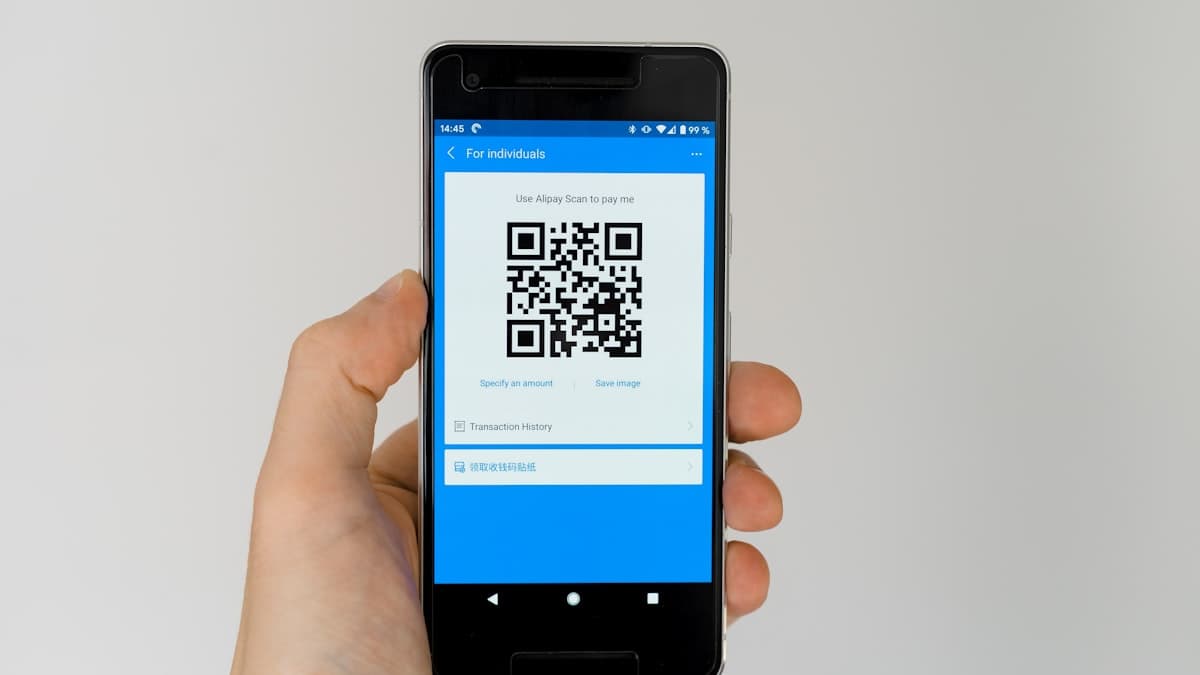
Summer activities create natural opportunities for QR code marketing that bridges physical and digital interactions.
Outdoor signage. QR codes on outdoor signs, A-frames, and banners link to your summer promotions, menus, or event pages.
Event marketing. At summer events, QR codes on handouts connect attendees to your website, social media, or special offers.
Product packaging. Add QR codes to seasonal packaging that link to recipes, usage tips, or loyalty rewards.
Promotional materials. Flyers, postcards, and business cards with QR codes at community events drive website traffic.
For creative QR code strategies, see our guide on QR code marketing beyond restaurant menus.
SMS Marketing for Summer Campaigns
Text messages are particularly effective for summer marketing because people are on the go and checking their phones frequently.
Flash sale alerts. "It is 95 degrees today! Cool off at [Business Name] with 20% off all cold drinks. Show this text to redeem."
Event reminders. "Reminder: Live music at [Business Name] tonight at 7 PM. Bring a friend and both get a free appetizer!"
Weather-based promotions. Tie promotions to weather conditions. Rainy day specials for indoor businesses. Sunny day specials for outdoor services.
Exclusive offers. "Text subscribers only: Arrive before noon for a free [item] with any purchase. Today only!"
For more on text marketing, see our guide on SMS marketing for small businesses.
Connecting Print and Digital Marketing
Summer outdoor activities create opportunities to connect your physical marketing with your digital presence.
Window displays. Eye-catching summer window displays with your website URL and social media handles drive online engagement.
Sidewalk signs. A-frame signs with daily specials and your website address catch foot traffic.
Local newspaper and magazine ads. Summer activity guides and local publications reach tourists and residents planning summer activities.
Direct mail. Postcards with summer promotions work well in local markets. Include QR codes linking to your website.
Vehicle branding. If your business uses vehicles, summer means more visibility as people are outside. Ensure your URL and phone number are visible.
For strategies on connecting physical and digital marketing, see our guide on driving website traffic from print materials.
Partnering with Other Local Businesses
Summer is the best season for local business collaboration because the community is active and social.
Cross-Promotion Ideas
Shared events. Partner with complementary businesses for events. A wine shop and cheese store hosting a summer tasting event. A gym and health food store offering a "Summer Wellness Day."
Bundle partnerships. Create cross-business bundles. A bakery and coffee shop offering a "Summer Morning Bundle." A salon and spa offering a "Summer Self-Care Package."
Referral exchanges. Agree with non-competing businesses to refer customers to each other. Display each other's business cards and share social media content.
Collaborative content. Co-create content with other local businesses. A joint blog post, social media takeover, or community guide featuring multiple businesses provides value to customers while expanding reach.
Tourism Partnerships
If your area has tourism, partner with hotels, vacation rentals, and visitor centers.
Welcome packages. Include coupons or information about your business in welcome packages for hotel guests.
Concierge relationships. Build relationships with hotel concierges and Airbnb hosts who can recommend your business to guests.
Tourism guides. Contribute to local tourism guides and ensure your business is listed in relevant directories.
Measuring Summer Campaign Performance
Track these metrics to understand what worked and plan for next year.
Revenue comparison. Compare summer revenue to the same period last year and to your non-summer baseline.
New customers. How many new customers did your summer campaigns attract?
Event attendance and ROI. For each event, track attendance, costs, and revenue generated (both immediate and follow-up).
Campaign-specific metrics. Track redemption rates for promotional codes, click-through rates for emails and social posts, and engagement rates for social media content.
Customer acquisition cost. Total summer marketing spend divided by new customers acquired.
Retention. What percentage of new summer customers return after the season ends?
Summer Marketing Calendar Template
May: Planning and Preparation
- Plan summer campaigns and promotions
- Create visual assets and content
- Update website and Google Business Profile
- Build email campaigns
June: Early Summer Launch
- Launch summer promotions
- Begin social media content series
- Host or participate in community events
- Send first summer email campaigns
July: Peak Summer
- Activate strongest promotions
- Increase social media posting frequency
- Host signature summer events
- Run time-sensitive campaigns around Independence Day
August: Late Summer and Transition
- Back-to-school transition (where relevant)
- End-of-summer clearance promotions
- Last call for summer experiences
- Begin planning fall campaigns
September: Review
- Analyze summer campaign performance
- Document successful strategies
- Calculate ROI for each initiative
- Plan improvements for next year
Summer marketing success comes from embracing the season's energy, meeting customers where they are (often outdoors and on the go), and creating experiences and promotions that feel timely and relevant. The businesses that plan ahead and execute consistently throughout the season will see the strongest results, not just in summer revenue, but in new customer relationships that extend well beyond the warm months.